When discussing weather resistant topcoats for Battery Energy Storage Systems (BESS), marine structures, modular equipment, and special containers, many people assume that adding more UV absorbers or light stabilizers will automatically improve outdoor durability.
In reality, this is only part of the story.
A high-performance weather resistant topcoat is not created by relying on a single additive. Instead, its long-term performance comes from the coordinated design of the entire coating formulation—including the resin system, pigments, and weathering additives.
For heavy-duty protective coating systems used in harsh outdoor environments, coating design is commonly developed with reference to internationally recognized standards such as ISO 12944, which provides guidance for corrosion protection of steel structures exposed to different environmental conditions.
Step One: The Resin System Determines Long-Term Performance
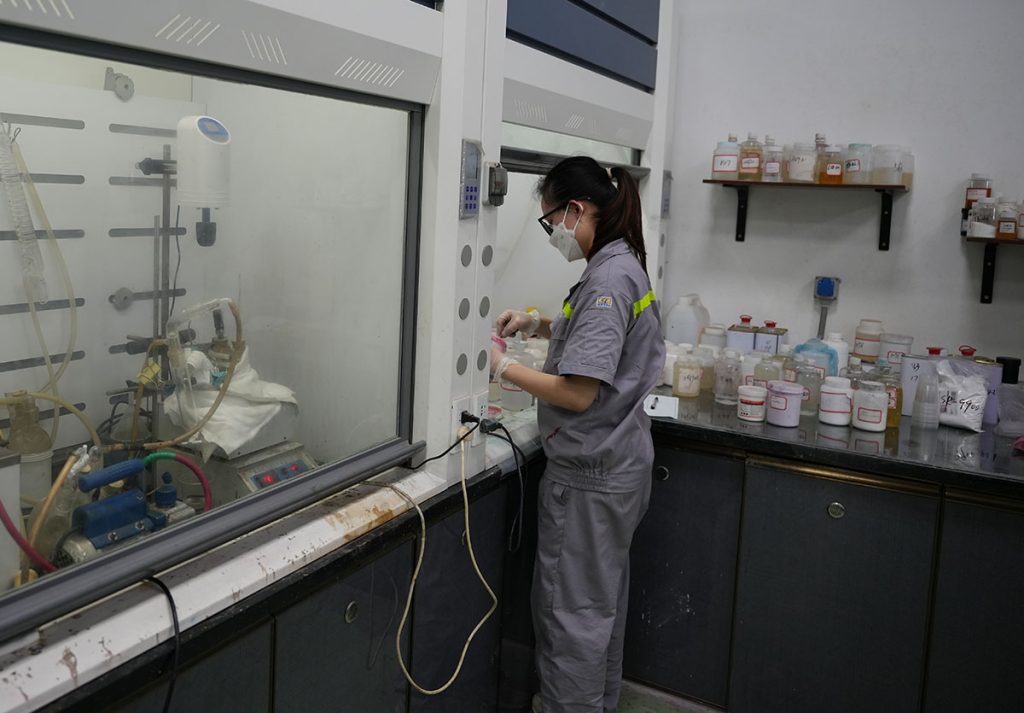
The resin is the backbone of every coating system and plays the most important role in determining long-term weather resistance.
If the resin itself has poor resistance to ultraviolet degradation, even large amounts of UV absorbers can only delay aging—they cannot eliminate it.
For this reason, premium polyurethane topcoats are formulated with highly weather-resistant resin systems while avoiding resin structures that reduce long-term UV stability, such as styrene-containing components.
A durable resin system provides the foundation for coating performance throughout years of outdoor exposure.
Step Two: Pigment Durability Is Equally Important
Many coating engineers focus primarily on resin selection while overlooking the weather resistance of pigments.
However, pigment quality has a direct impact on color stability.
Even with an excellent resin system, pigments with poor lightfastness may gradually fade, discolor, or become inconsistent after years of sunlight exposure.
For outdoor applications such as:
- Battery Energy Storage Systems (BESS)
- Modular Data Centers
- E-Houses
- Marine Equipment
- Special Containers
high-performance pigments with excellent weather resistance are generally recommended to maintain long-term color consistency and appearance.
Step Two: Pigment Durability Is Equally Important
Many coating engineers focus primarily on resin selection while overlooking the weather resistance of pigments.
However, pigment quality has a direct impact on color stability.
Even with an excellent resin system, pigments with poor lightfastness may gradually fade, discolor, or become inconsistent after years of sunlight exposure.
For outdoor applications such as:
- Battery Energy Storage Systems (BESS)
- Modular Data Centers
- E-Houses
- Marine Equipment
- Special Containers
high-performance pigments with excellent weather resistance are generally recommended to maintain long-term color consistency and appearance.
Step Three: UV Absorbers and HALS Are Protectors—Not the Foundation
Once the resin system and pigment selection provide a solid foundation, UV absorbers and Hindered Amine Light Stabilizers (HALS) become highly effective.
Their role is to slow down ultraviolet degradation and extend the overall service life of the coating.
However, they should not be viewed as the only solution for weather resistance.
A mature coating formulation allows the resin, pigments, UV absorbers, and HALS to work together as an integrated system.
This balanced approach delivers significantly better long-term performance than relying on any single additive.
Weather resistance should always be verified through standardized laboratory testing. One of the most widely recognized accelerated weathering methods is ASTM G154, which evaluates coating performance under controlled ultraviolet (UV) exposure and condensation cycles.
The Real Measure of a Weather Resistant Topcoat Is Testing
The true performance of a weather resistant topcoat should never be judged by the amount of additives used.
Instead, it should be verified through standardized weathering tests.
For high-quality polyurethane topcoats, accelerated UV aging tests often demonstrate:
- Color difference (ΔE) below 2.0 after 1,200 hours
- Excellent gloss retention
- Stable color appearance
- No significant chalking or coating degradation
These measurable results provide far more meaningful evidence of coating performance than simply listing formulation ingredients.
A Topcoat Is the First Visual Line of Defense
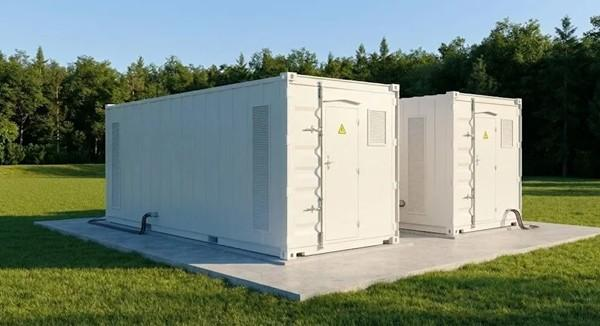
For equipment operating in harsh outdoor environments, a topcoat serves two important functions.
First, it protects the underlying coating system from ultraviolet radiation, moisture, and environmental exposure.
Second, it preserves the product’s visual appearance.
Stable color, consistent gloss, excellent chalking resistance, and long-term durability help equipment maintain a clean, professional appearance throughout its service life.
For manufacturers, this contributes not only to corrosion protection but also to brand image and customer confidence.
Why System Design Matters More Than Individual Additives
Developing a high-performance weather resistant topcoat requires balancing several critical elements:
- Durable polyurethane resin technology
- High-weatherability pigments
- UV absorbers
- HALS light stabilizers
- Optimized formulation design
- Long-term weathering validation
Only when these components work together can a coating deliver reliable outdoor protection for demanding industrial environments.
Frequently Asked Questions
Can UV absorbers alone improve weather resistance?
No. UV absorbers help slow down ultraviolet degradation, but they cannot compensate for poor resin or pigment selection.
Why are pigments important in outdoor coatings?
Pigments determine long-term color stability. Poor-quality pigments may fade or discolor even when the resin system is excellent.
How is weather resistance evaluated?
Manufacturers typically use accelerated UV aging tests, gloss retention measurements, color difference (ΔE), and coating appearance evaluations.
Conclusion
Outstanding weather resistance is never achieved by simply adding more UV absorbers.
A high-performance weather resistant topcoat relies on the coordinated design of the resin system, pigment selection, UV absorbers, and HALS, supported by rigorous long-term weathering tests.
For Battery Energy Storage Systems, marine structures, modular equipment, and industrial containers, the true value of a protective topcoat is measured not by its formulation alone, but by its ability to maintain color, gloss, appearance, and protection after years of outdoor exposure.
That is the standard of a truly reliable heavy-duty protective coating.
Call to Action
Protect Outdoor Equipment with GranBond Weather Resistant Topcoats
GranBond develops advanced polyurethane topcoat systems for:
- Battery Energy Storage Systems (BESS)
- Modular Data Centers
- E-Houses
- Marine & Offshore Structures
- Industrial Containers
- Commercial Vehicles
Our weather resistant topcoats are engineered to provide long-term color stability, gloss retention, UV resistance, and corrosion protection in the world’s harshest environments.